Crane Service | Oxford Crane
Now Booking Crane Rentals Across OntarioHoisting engineersCall (226) 400-2111Self-Erecting · Boom Truck · Mobile Crane ServiceNow Booking Crane Rentals Across OntarioHoisting engineersCall (226) 400-2111Self-Erecting · Boom Truck · Mobile Crane Service
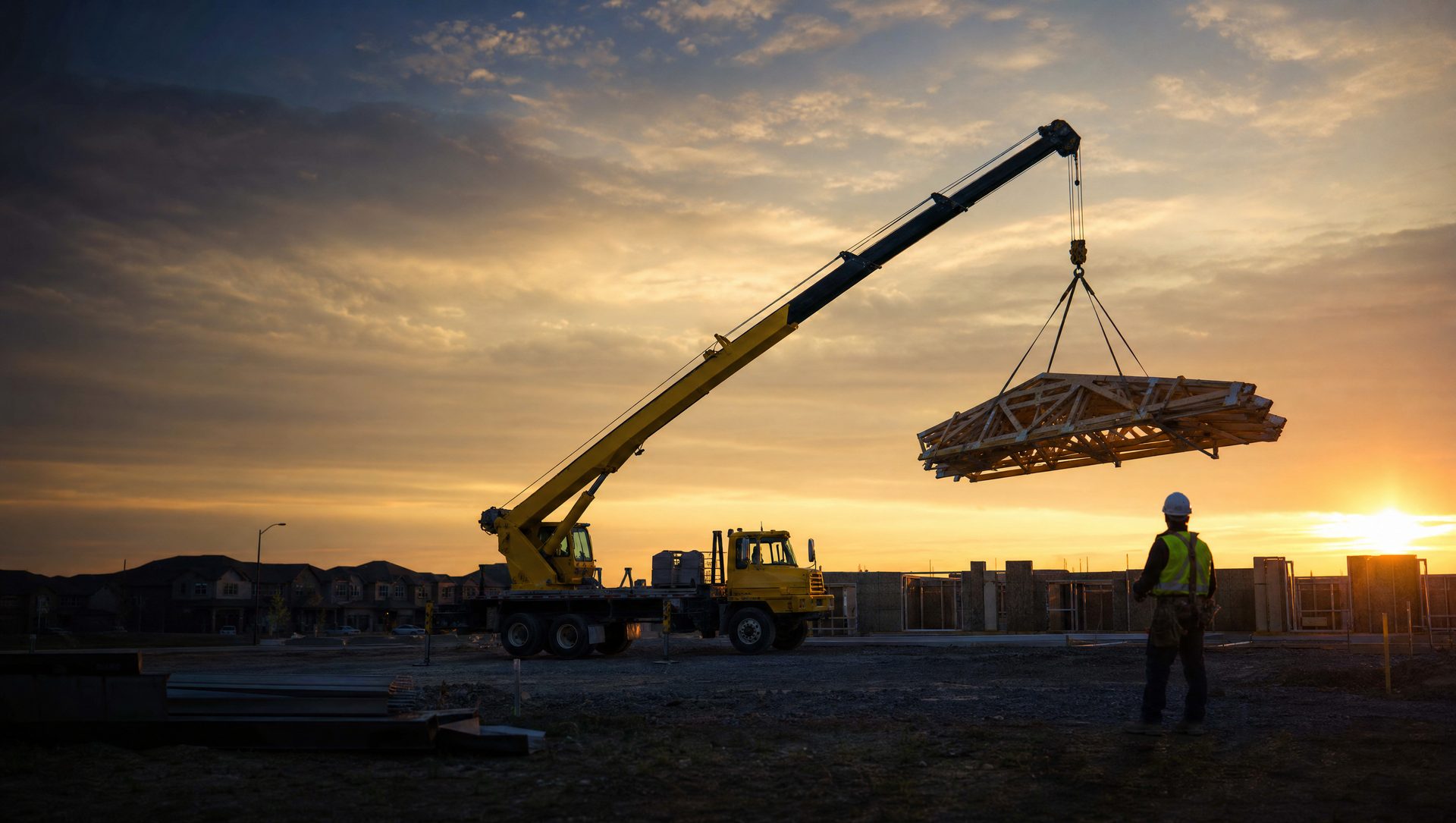
Oxford Crane on an Ontario job site
Precast Concrete Lifting Service

Precast Concrete Lifting Service

Precast wall panels, hollow-core slabs and septic tank sections set by crane across Oxford County — planned around the piece weight, the pick radius and the panel's own rigging points.

Hoisting engineers
Rigging planned before arrival
Southwestern Ontario coverage
Request a Quote
Send the panel drawings and the site address; we work out the crane class and the set sequence from there.
Dispatch replyNo obligationCall (226) 400-2111

Serving Southwestern Ontario. Form goes to dispatch.

How it works

Precast Concrete Lifting Service

Precast arrives on a flatbed and leaves on a hook. The lift is planned around the panel's cast-in lifting anchors, the piece weight and how far the crane has to reach past the truck. Woodstock-area sites range from poured pads in an industrial park to gravel approaches on rural lots, so the setup is chosen for the ground the crane actually stands on.

Crane lifts for precast wall panels, hollow-core floor slabs, stair units, septic and holding tank sections, and precast utility structures. We set the piece from the delivery truck to its final position, working with the erecting crew on the bearing and the alignment.

Precast panels are heavy, awkward and unforgiving of a bad pick. A panel that is rigged off its designed anchor points, or lifted at a radius the crane cannot hold, is a problem before it leaves the truck. The lift has to be worked out from the drawings and the site, not guessed at on the day.
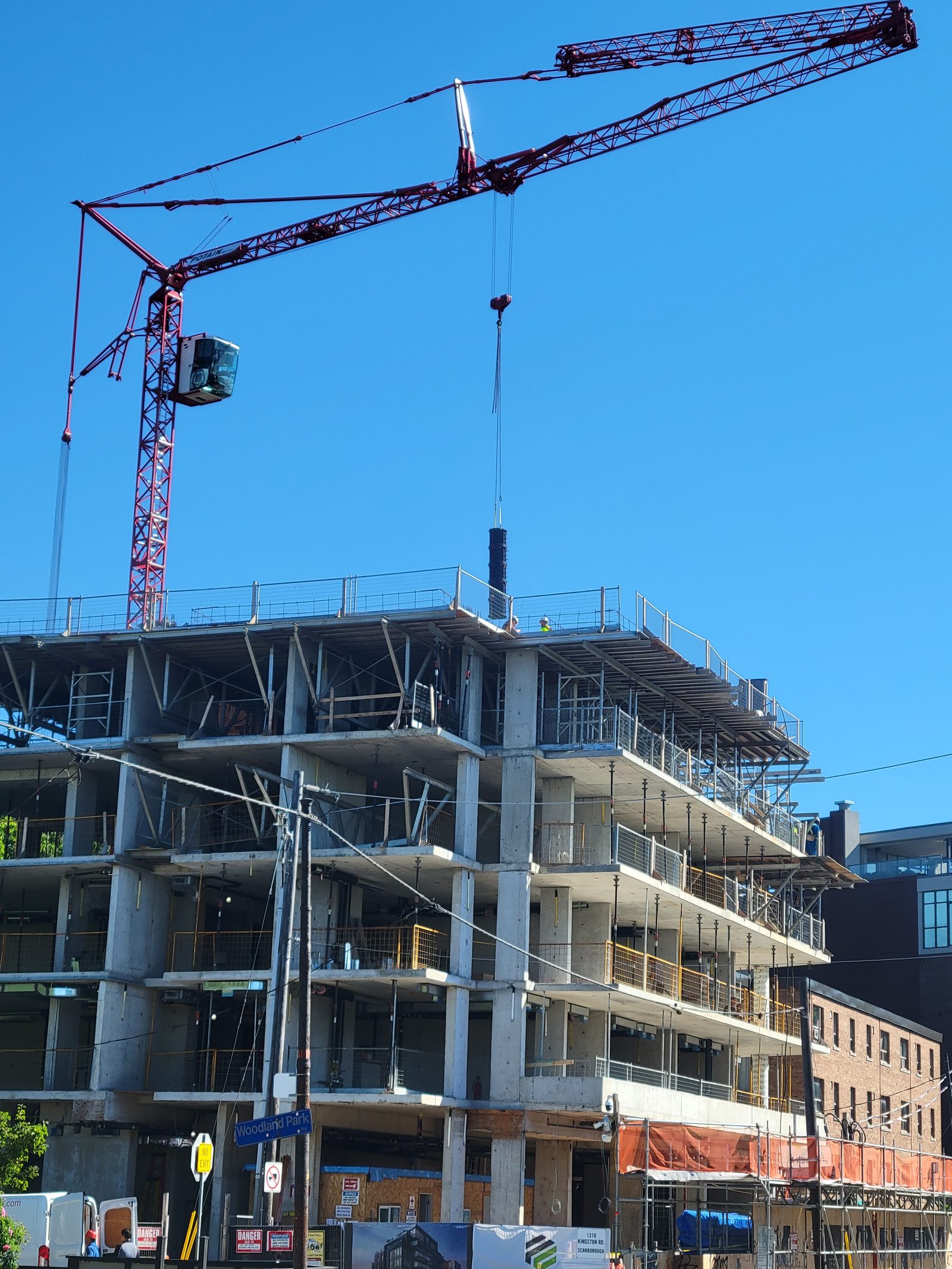
Oxford Crane equipment on an Ontario job site
FAQ

Frequently asked questions

Precast panels are lifted from the cast-in anchors or lifting loops the manufacturer designed into the piece, not slung with a choker around the panel. The rigging is matched to those anchor points and to the panel's centre of gravity so it hangs level as it comes off the truck.
The precast shop drawings or piece schedule, the site address, and where the delivery truck can park relative to the final position. From those we work out the piece weights, the pick radius and the crane class that can hold the heaviest piece at its furthest reach.
Yes. Hollow-core slabs, wall panels, stair units and tank sections are all set the same way — from the piece's designed lifting points, at a radius the crane can hold. Slabs are usually set in a sequence across the bearing walls, so the crane position is planned around that order.
The outriggers need ground that will carry the load without settling — a poured pad or well-compacted gravel is ideal. On softer or freshly graded ground we look at the setup position before the day and may need to spread the load under the outrigger pads.
The crane operator places each piece and the erecting crew handles the bearing, alignment and temporary bracing once it is down. The two work together on the day, with the crew signalling the final position and the operator holding the piece until it is secure.
Yes, provided the crane can reach the excavation and the ground around it will carry the outriggers. Rural lots often mean a gravel or dirt approach, so the setup is reviewed before the day rather than assumed from the address.

Request a Quote

Send the panel drawings and the site address; we work out the crane class and the set sequence from there.

Request a Quote
Send the panel drawings and the site address; we work out the crane class and the set sequence from there.
Dispatch replyNo obligationCall (226) 400-2111

Serving Southwestern Ontario. Form goes to dispatch.