Crane Service | Oxford Crane
Now Booking Crane Rentals Across OntarioHoisting engineersCall (226) 400-2111Self-Erecting · Boom Truck · Mobile Crane ServiceNow Booking Crane Rentals Across OntarioHoisting engineersCall (226) 400-2111Self-Erecting · Boom Truck · Mobile Crane Service
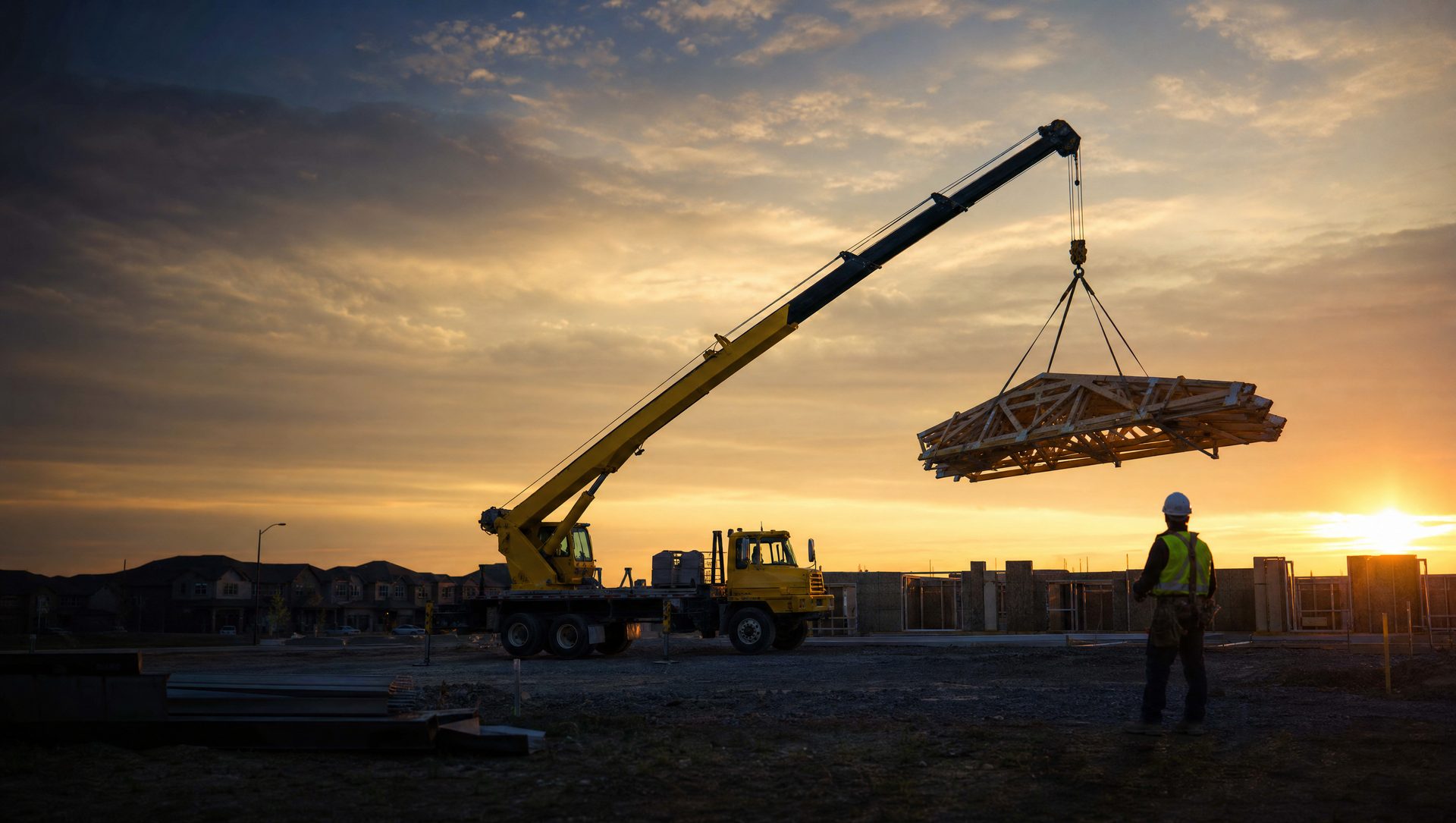
Oxford Crane on an Ontario job site
Tower Crane Rental Ontario

Tower Crane Rental in Ontario

Self-erecting and hammerhead tower cranes for projects that need the lift to stay on site — erected on a prepared base, climbed as the structure rises, and dismantled when the frame is closed in.

Hoisting engineers
Rigging planned before arrival
Southwestern Ontario coverage
Request a Quote
Tell us the building footprint, the heaviest pick and how long the crane has to stand, and we will scope the tower crane for the project.
Dispatch replyNo obligationCall (226) 400-2111

Serving Southwestern Ontario. Form goes to dispatch.

How it works

Tower Crane Rental in Ontario

A tower crane is the right machine when a project needs repeated picks over months rather than a single lift. The mast is founded on a concrete base or ballasted pad, the jib is assembled at ground level and the whole unit climbs with the structure. Ontario projects usually need the crane standing before the first steel or formwork goes up.

Self-erecting tower cranes for low-rise and mid-rise work, hammerhead tower cranes for high-rise and long-span projects, mast climbing, tie-ins to the structure, and dismantle at completion.

Tower cranes are not a same-week rental. The base has to be engineered and poured, the crane has to be delivered in sections and assembled with a assist crane, and the climb schedule has to match the pour or steel sequence. Projects that leave the tower crane to the last minute end up sequencing around it.
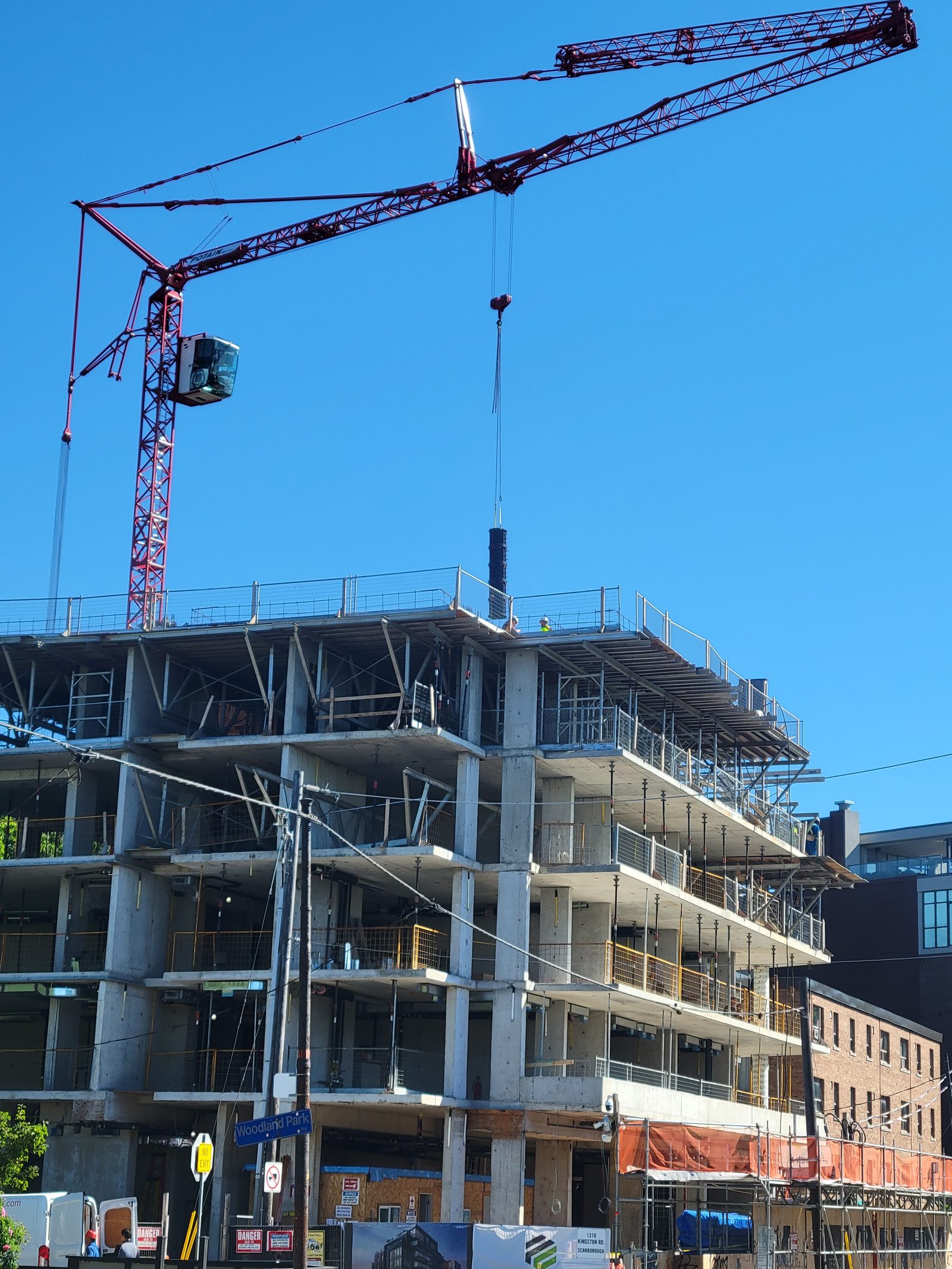
Oxford Crane equipment on an Ontario job site
FAQ

Frequently asked questions

A tower crane climbs by adding mast sections under the slewing unit using a hydraulic climbing frame. The base and the first mast sections are set with an assist crane, then the crane lifts its own mast sections into the climbing frame as the building rises.
The 3-3-3 rule is a rough field guide that a crane can lift about 3 percent of its rated capacity at 3 times the radius, or 3 percent at 3 times the height. It is a sanity check, not a load chart — the manufacturer's chart governs every pick.
A self-erecting tower crane folds and unfolds on its own trailer and is used for low-rise and mid-rise work. A hammerhead tower crane is assembled in sections with an assist crane and is used where the jib has to reach further or the hook height has to climb with a high-rise structure.
The base or ballast pad has to be poured and cured, the anchor bolts set to the manufacturer's template, and the crane pad accessible to the delivery trucks and the assist crane. The project schedule also has to be firm enough to hold the assembly date.
A tower crane typically stays for the duration of the structure — from before the first steel or formwork until the frame is closed in and the crane can be dismantled. The climb and tie-in schedule is set by the structural engineer and the project manager.
No. A tower crane is assembled for a project, not a single pick. For one-off lifts a mobile crane or boom truck is the right machine, and the tower crane is reserved for projects that need repeated picks over months.

Request a Quote

Tell us the building footprint, the heaviest pick and how long the crane has to stand, and we will scope the tower crane for the project.

Request a Quote
Tell us the building footprint, the heaviest pick and how long the crane has to stand, and we will scope the tower crane for the project.
Dispatch replyNo obligationCall (226) 400-2111

Serving Southwestern Ontario. Form goes to dispatch.